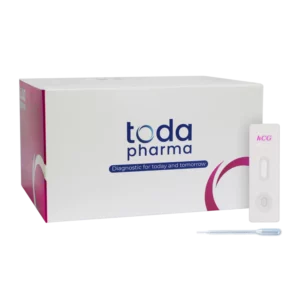
Toda Amniodiag®5
Test for the detection of premature rupture of fetal membranes (PROM test)
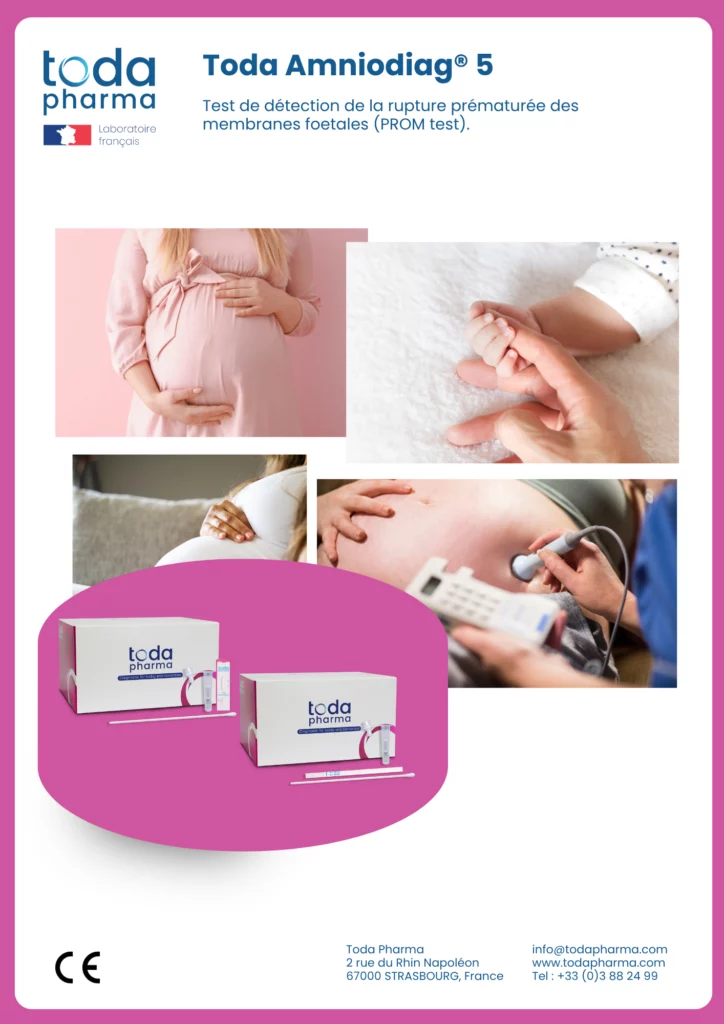
Toda Amniodiag® 5 is a rapid diagnostic test capable of detecting premature rupture of membranes by identifying the IGFBP-1 protein in a vaginal secretion sample from a pregnant woman.
- IGFBP-1
- Before the 37th week of amenorrhea
-
Interpretation time
5 minutes
-
Sampling
Vaginal secretion
Discover the two available formats
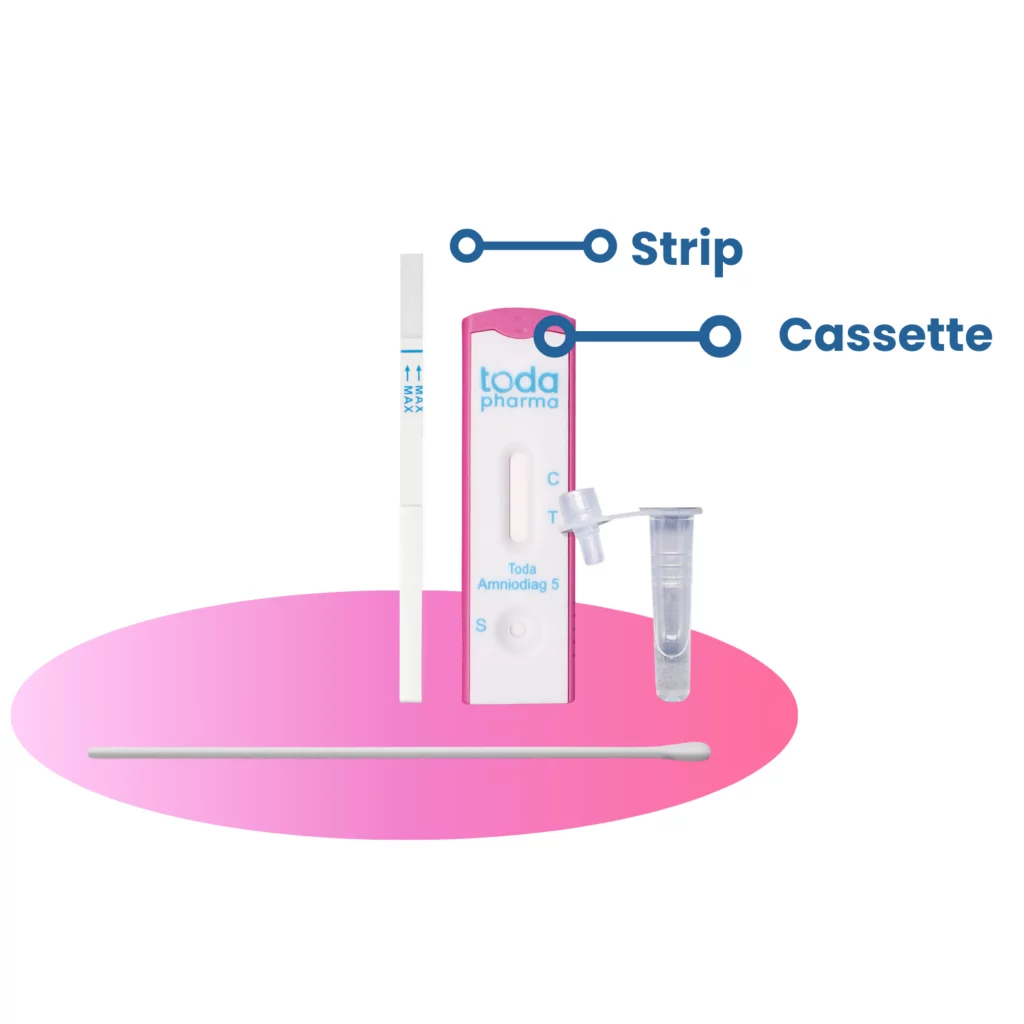
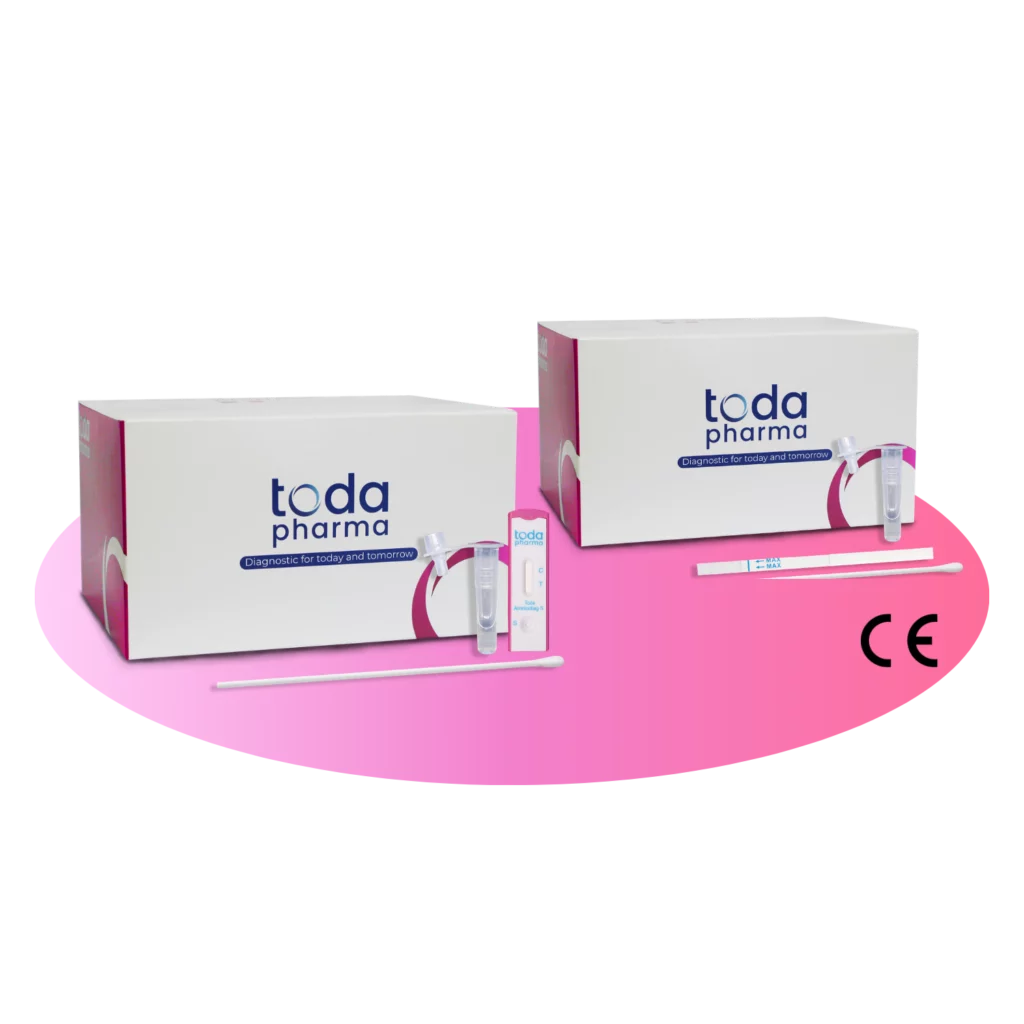
Cassette format
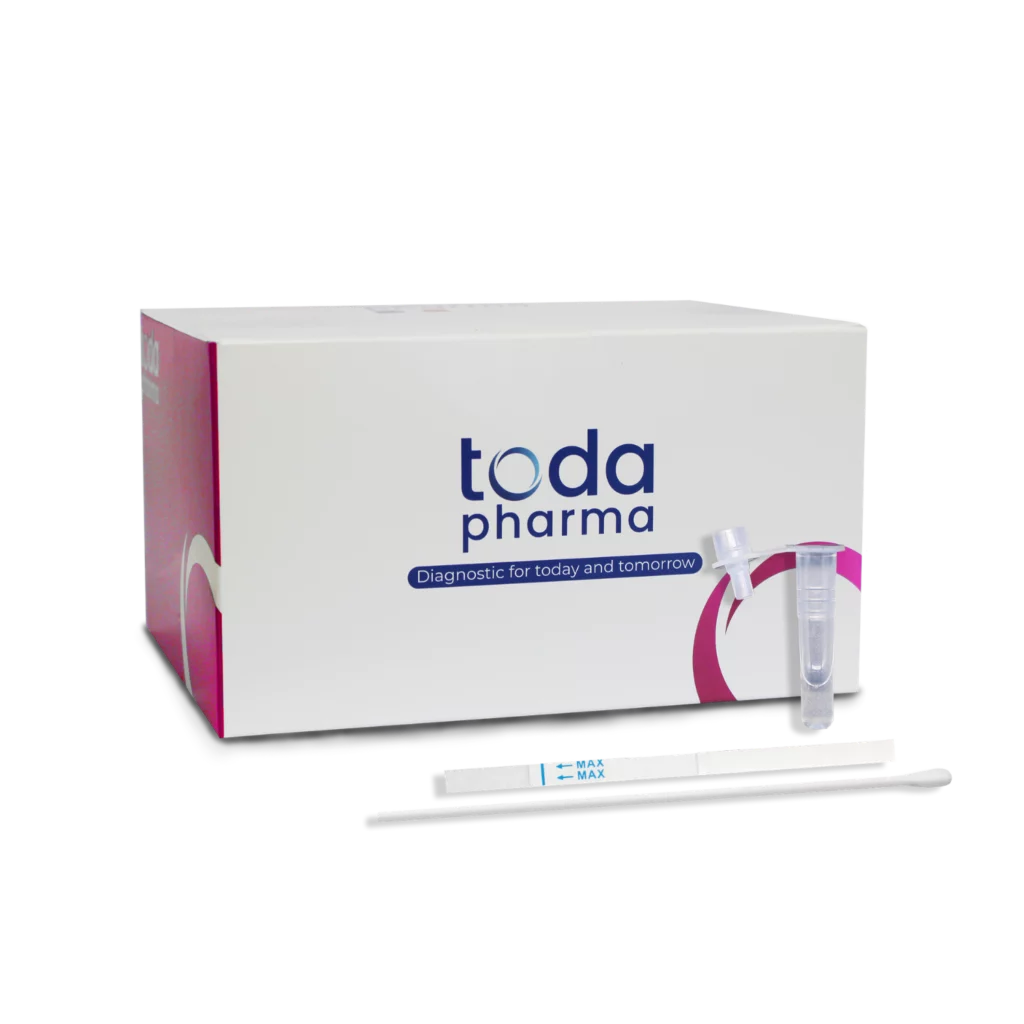
Strip format
A simple, fast, and accurate diagnosis
The Benefits of TodaAmniodiag® 5
RAPID
Results obtained in just 5 minutes.
EASY TO USE
Sampling is made easy with the swab included in the kit.
ENABLES MORE TAILORED CARE
Contributes to appropriate interventions and optimized care.
Performance
| IGFBP-1 | |
| Sensitivity | ≥ 99,9% |
| Specificity | 98.8% |
Screening for PROM: A major challenge for maternal and infant health
Some cases of preterm labor result in delivery within 72 hours.
This is the percentage of full-term pregnancies (after 37 weeks) that begin with PROM without immediate contractions.
This is the percentage of cases in which premature rupture of membranes occurs during pregnancies.
*J. Herzlich, L. Mangel, A. Halperin, D. Lubin & R. Marom – PubMed – ACOG (American College of Obstetricians and Gynecologists)
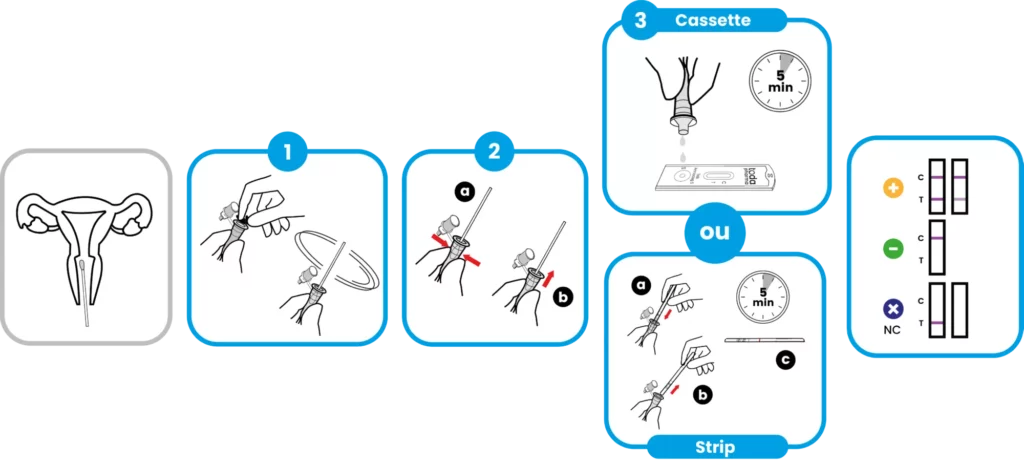
An accurate test starts with proper technique
Discover in 3 simple steps how to use the Toda Amniodiag® 5 test based on the selected format.
This test is intended for use by healthcare professionals only.
Practical information
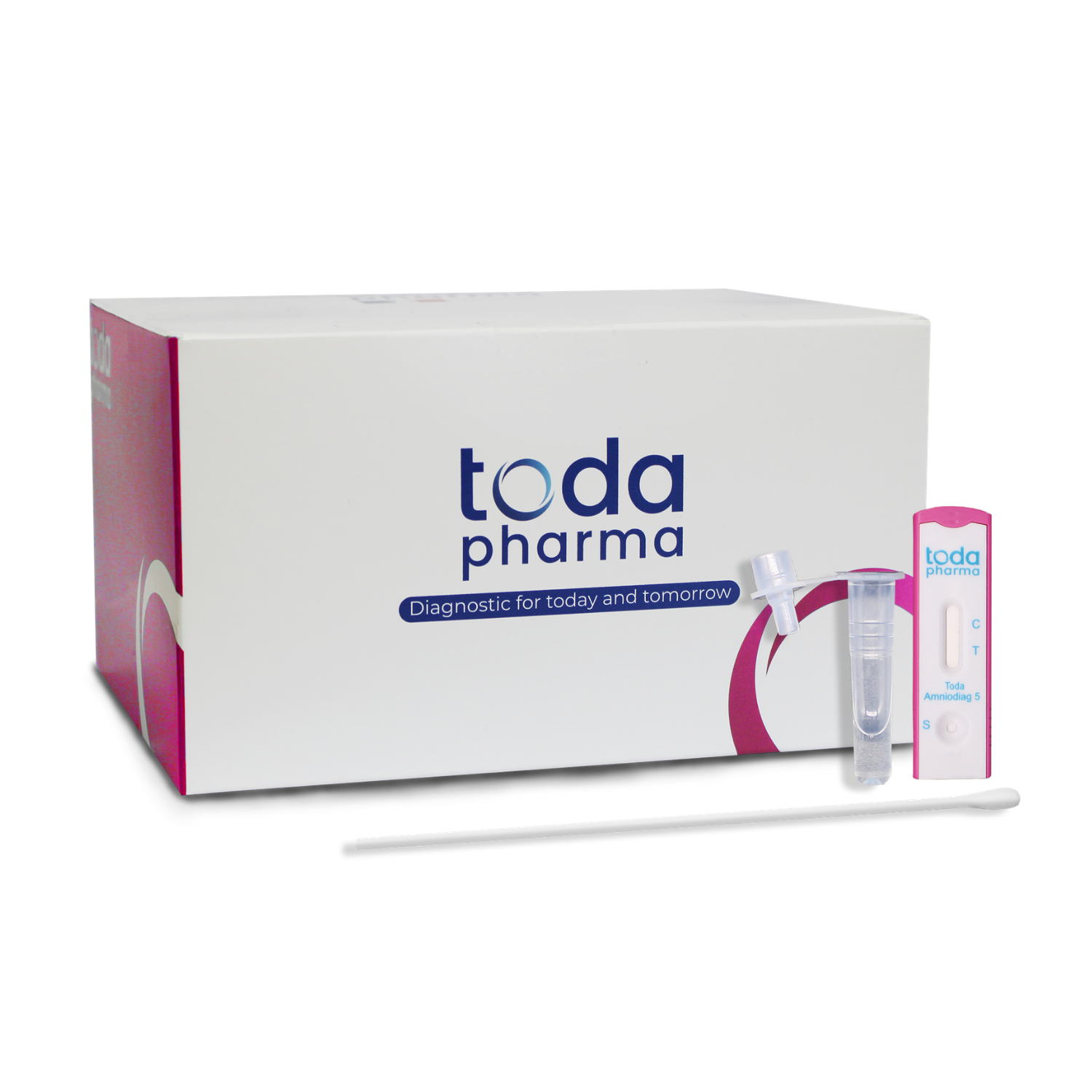
All kits contain:
- 10 individually packaged tests
- 1 detailed instruction leaflet
References
- 1050-10: cassette
- 1052-10: strip
The test should be stored at room temperature (between 2°F and 30°F).
Helpful documents
Catalog & product sheet
Gynecology – Obstetrics Catalog
Toda Amniodiag®5 Product Sheets
For any additional information requests
"*" indicates required fields
Learn more
1. What is premature rupture of membranes (PROM)?
Premature rupture of membranes (PROM) is an obstetric complication in which the amniotic membranes rupture before the onset of labor and before the 37th week of gestation. This condition can have serious consequences for both the mother and the baby, including an increased risk of infection, preterm birth, and neonatal complications.
2. What is the difference between premature rupture of membranes and rupture of membranes?
During pregnancy, the fetus is protected by a sac filled with amniotic fluid, known as the amniotic membranes. These membranes play a crucial role: they protect the baby against infections and impacts, and promote its proper development.
Rupture of the membranes
Under normal circumstances, the membranes rupture at the start of or during labor. This is known as membrane rupture. It may be accompanied by a sudden gush of clear fluid when contractions become regular. It is part of the natural process of childbirth and does not require any special intervention if everything is proceeding normally.
Premature Rupture of Membranes (PROM)
On the other hand, premature rupture of membranes (PROM) occurs when the membranes rupture before labor begins, while the woman is not yet experiencing contractions.
It can occur at any stage of pregnancy.

3. Can the Amniodiag® 5 test be used at any point during pregnancy?
The Amniodiag® 5 test is primarily used from the second trimester of pregnancy, a period during which premature rupture of membranes (PROM) can occur and lead to complications.
It is indicated in cases of clinical suspicion, especially if the pregnant woman exhibits:
- Unexplained clear fluid discharge,
- A persistent sensation of dampness,
- Or in case of doubt during a follow-up examination, even without obvious symptoms.
Easy to use, the test can be performed in a hospital setting, in obstetric emergencies, and also in outpatient clinics, enabling rapid decision-making and avoiding unnecessary hospitalizations or delays in care.
Complementary diagnostics in this range
Need information, training, or a quote?
Tell us what you are looking for, and we will promptly provide a tailored solution.