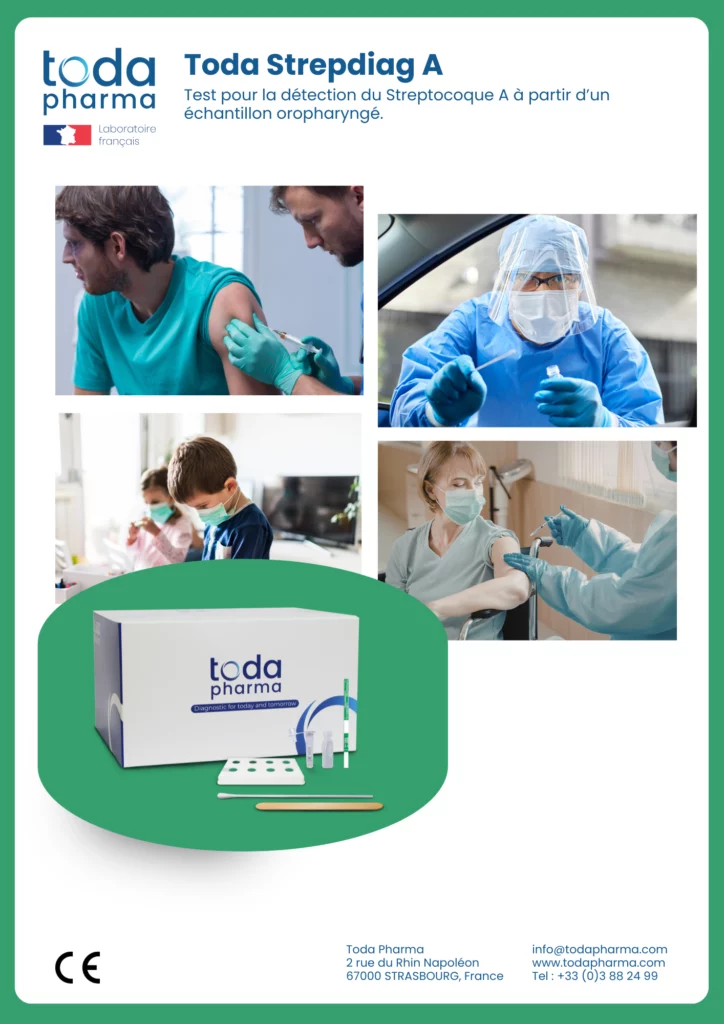
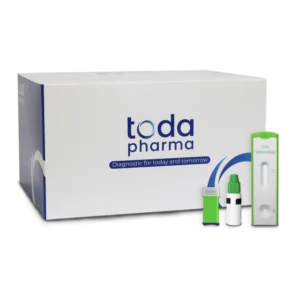
Toda Strepdiag A
Rapid Strep A Test
Toda Strepdiag A is an immunochromatographic test for the detection of Group A Streptococcus from an oropharyngeal swab.
- Streptococcus pyogenes
-
Interpretation time
5 minutes
-
Sampling
Oropharyngeal swab
A rapid, accurate, and convenient test
The Benefits of Toda Strepdiag A.
CONVENIENT
Equipped with a pre-dosed reagent vial, the extraction solution requires only one preparation step.
EFFICIENT
Évite la multiplication des tests ce qui limite les coûts.
ACCURATE, SENSITIVE, AND SPECIFIC
Sensitivity: 97.6%
Specificity: 97.5%
Accuracy: 97.5%
SIMPLE
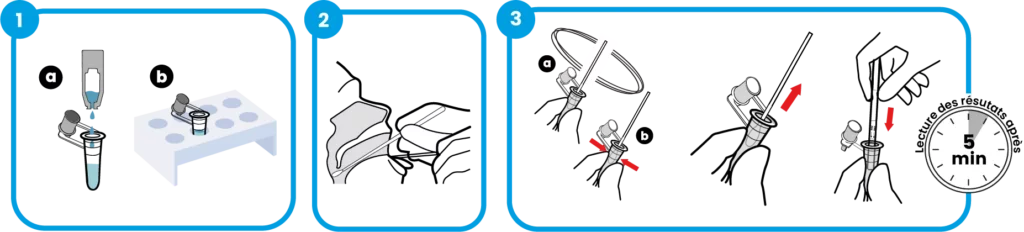
Utilisation en 3 étapes sans complexité technique.
An accurate test starts with proper technique
Découvrez en 3 étapes simples comment utiliser le Toda Strepdiag A.
This test is intended for use by healthcare professionals only.
Practical information
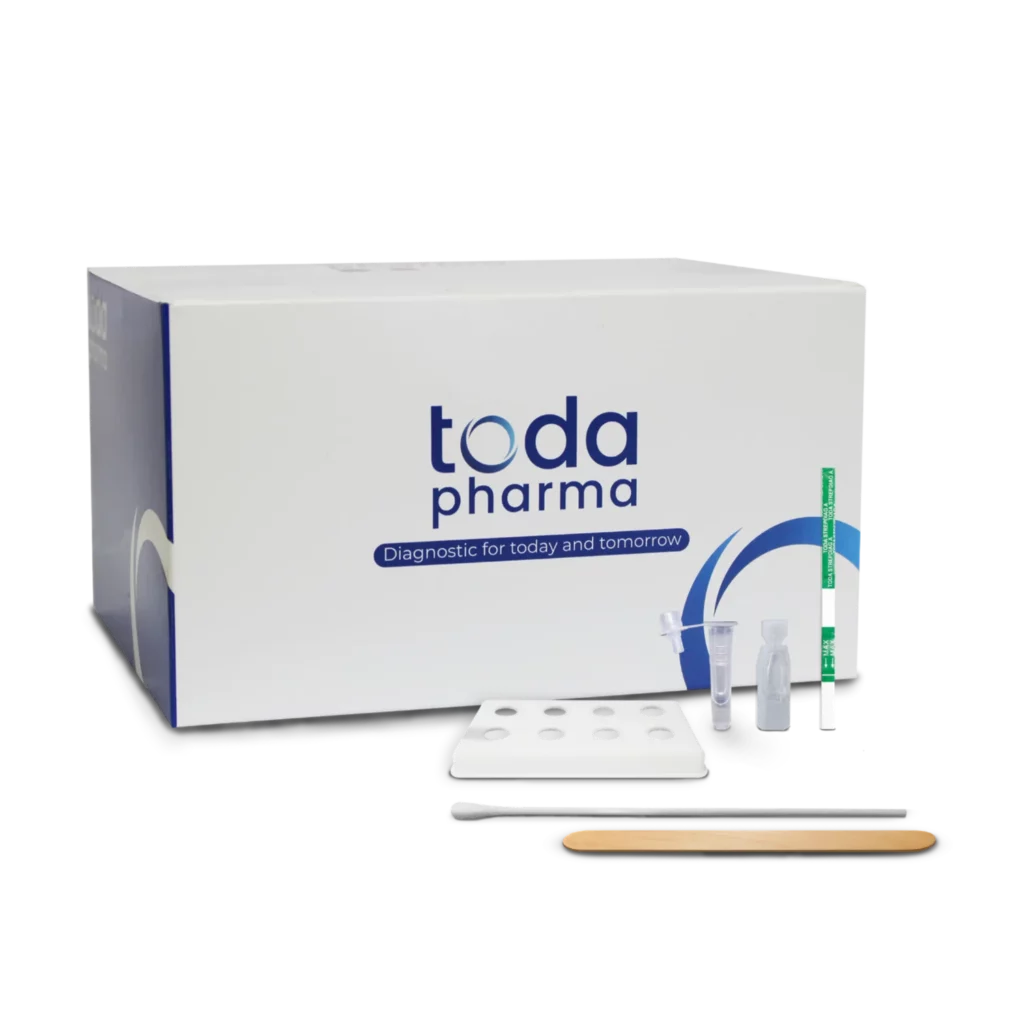
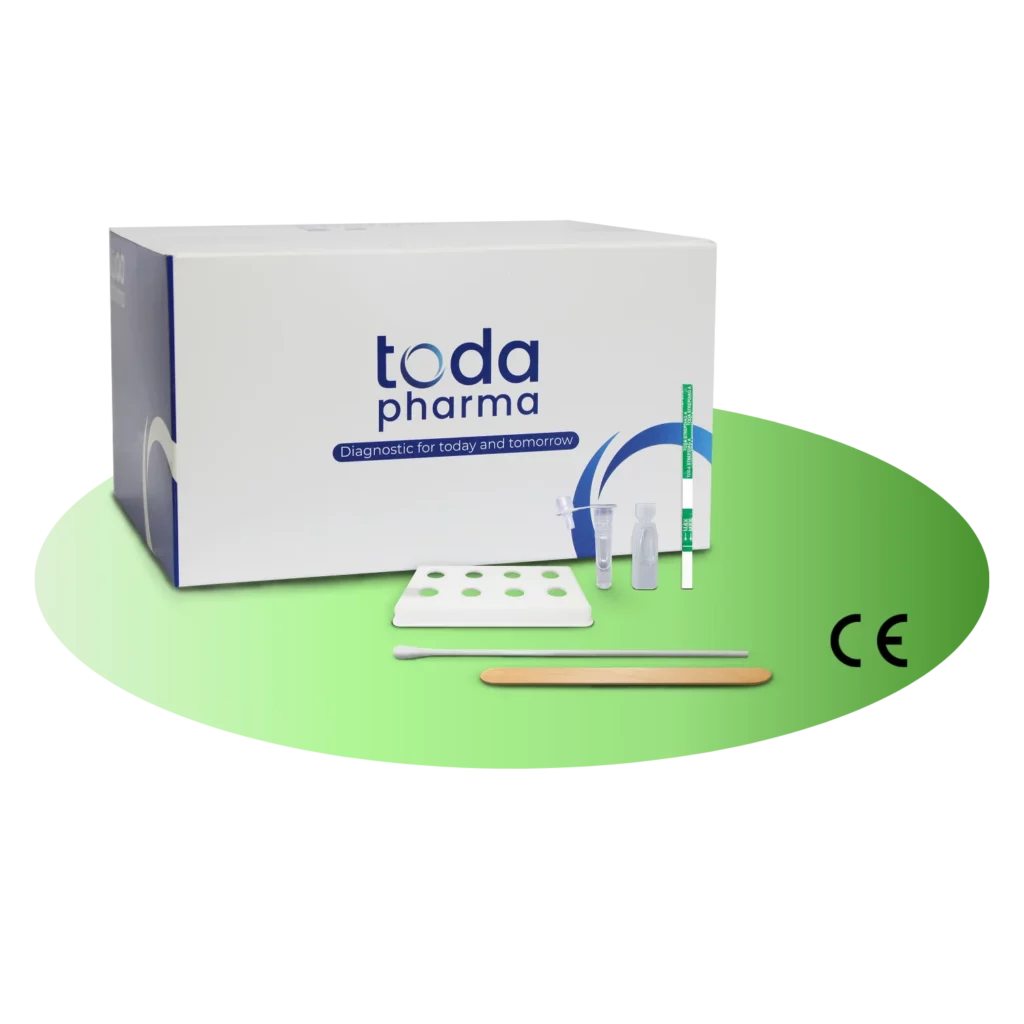
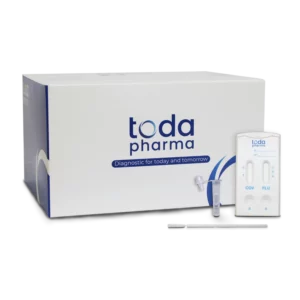
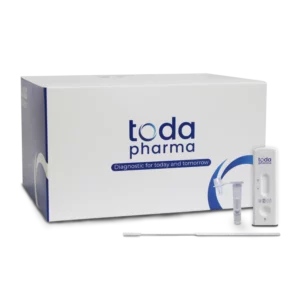
All Toda Toda Strepdiag A test kits contain:
- 25 tests in strip format
- 25 tongue depressors
- 25 swabs
- 25 reagents: 1 buffer and 1 unidose
- 1 stand for extraction tubes
- 1 detailed instruction leaflet
- 1 simplified operating procedure
- 2 control solutions for Streptococcus A: 1 negative and 1 positive
References
- Box of 25 tests: 1062
The test should be stored at room temperature (between +2 and +30 °C).
Helpful documents
Catalog & product sheet
Infectious Diseases Catalogue
Toda Strepdiag A Product Sheet
For any additional information requests
"*" indicates required fields
Learn more
1. What is Streptococcus A?
Streptococcus A, or Streptococcus pyogenes, is a bacterium responsible for numerous human infections, ranging from benign to severe.
Common infections:
- Streptococcal pharyngitis (sore throat)
- Scarlet fever
- Impetigo (skin infection)
- Otitis media, sinusitis
Severe infections:
- Necrotizing fasciitis (“flesh-eating bacteria”)
- Streptococcal toxic shock syndrome
The bacterium is transmitted via direct contact with respiratory secretions from an infected individual, or through skin wounds.
2. Streptococcus A vs Streptococcus B: What's the Difference?
Streptococcus A or Streptococcus B refers to the classification of streptococci into groups A, B, C, etc., based on antigens present on the bacterial surface (known as Lancefield antigens).
- Streptococcus A (Group A): corresponds to Streptococcus pyogenes, responsible for infections such as pharyngitis, impetigo, or, in severe forms, necrotizing fasciitis or toxic shock syndrome.
- Streptococcus B (Group B): corresponds to Streptococcus agalactiae, often associated with neonatal infections (in newborns) or certain urinary tract infections in adults.
In summary, Streptococcus A is used to designate this specific type of bacterium due to its antigenic characteristics and the specific infections it causes. Each letter therefore corresponds to a group of bacteria with distinct properties and causing different diseases.
3. Can one be a carrier of streptococcus without exhibiting symptoms?
Streptococcus A can sometimes be found in unexpected places: some individuals are asymptomatic carriers, harboring the bacterium in their throat or on their skin without ever experiencing symptoms. While harmless to themselves, these carriers can nonetheless transmit the bacterium to others, who may then develop infections ranging from pharyngitis to more severe forms. This phenomenon explains why streptococcus spreads easily, particularly among children in schools or within families, and underscores the importance of rigorous hygiene and heightened vigilance, even when individuals appear healthy.
4. Why is it important to promptly treat a Streptococcus A infection?
Prompt treatment of a Streptococcus A infection is crucial because early antibiotic therapy helps to:
- Prevent the infection from worsening, thereby limiting the risk of severe complications such as necrotizing fasciitis or toxic shock syndrome.
- Reduce the duration of symptoms, such as fever, sore throat, or skin pain.
- Limit the transmission of the bacterium to other individuals, particularly within the family or school environment.
- Prevent long-term complications, such as acute rheumatic fever or renal damage, which can occur if the infection remains untreated.
5. Can Streptococcus A be prevented?
To date, there is no commercially available vaccine against Group A Streptococcus, although several projects are in advanced stages of clinical research.
Prevention therefore primarily relies on simple yet effective hygiene measures.
Regular and thorough hand washing with soap and water (or an alcohol-based hand rub) remains one of the most reliable methods to limit transmission. It is also recommended to cover one's mouth and nose with a disposable tissue or the crook of the elbow when sneezing or coughing, to prevent the dispersion of infectious droplets.
Affected individuals should avoid close contact with others until at least 24 hours after initiating antibiotic treatment, at which point they are generally no longer contagious. Furthermore, in communal settings (nurseries, schools, nursing homes), frequent cleaning of shared surfaces and objects helps reduce the risk of propagation.
Complementary diagnostics in this range
-
Diagnosis of Infectious Diseases
Toda Covdiag X – Triplex
Rapid diagnostic test for COVID-19, influenza A and B, and RSV.Discover -
Diagnosis of Infectious Diseases
Toda Fluronadiag
Rapid diagnostic test for COVID-19 and Influenza A&B viruses.Discover -
Diagnosis of Infectious Diseases
Toda Coronadiag Inc.
Rapid diagnostic test for the detection of SARS-CoV-2 antigens.Discover -
Diagnosis of Infectious Diseases
Toda Tetanusdiag
Rapid diagnostic test for tetanus immunization statusDiscover
Need information, training, or a quote?
Tell us what you are looking for, and we will promptly provide a tailored solution.